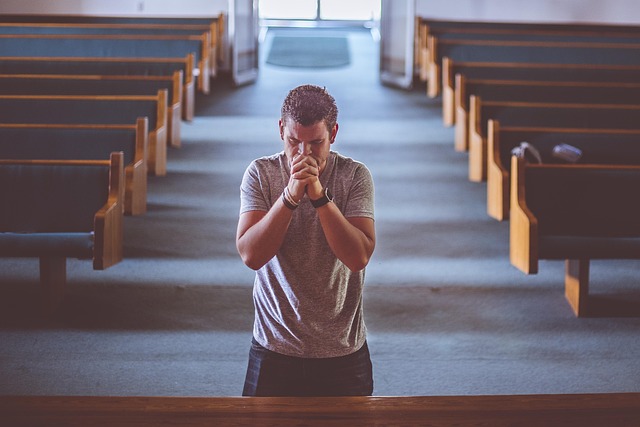
Prayer is the breath of the Christian life. Just as a person cannot live physically without breathing, no believer can survive spiritually without prayer. It is not merely a religious activity or a routine we do to “feel spiritual.” Prayer is communion with God — a living, two-way relationship where we speak to our Father and He responds.
Luke 18:1 records that Jesus “told His disciples a parable to show them that they should always pray and not give up.” Prayer is not optional; it is commanded. First Thessalonians 5:17 adds: “Pray without ceasing.” A prayerless Christian is a powerless Christian, but a praying Christian is a victorious one.
Let us take a deep look at the meaning, importance, and power of prayer in the life of a believer.
1. What Prayer Really Is
Prayer is simply talking with God. It is not about using complex words or impressing people with long speeches. Jesus warned in Matthew 6:7: “And when you pray, do not keep on babbling like pagans, for they think they will be heard because of their many words.”
True prayer is heartfelt, sincere, and rooted in faith. It is the child speaking to the Father, the servant listening to the Master, and the worshipper communing with the King.
Prayer also has many forms: thanksgiving, petition, intercession, confession, praise, and worship. Philippians 4:6 teaches: “Do not be anxious about anything, but in every situation, by prayer and petition, with thanksgiving, present your requests to God.”
2. Why Prayer Is Important
- It strengthens relationship with God. Prayer is not just asking for things but knowing God. In Exodus 33:11, we read that “The LORD would speak to Moses face to face, as one speaks to a friend.” Prayer builds intimacy.
- It brings direction. Proverbs 3:6 says: “In all your ways submit to Him, and He will make your paths straight.” Prayer opens our ears to divine guidance.
- It brings peace. Philippians 4:6–7 promises that when we pray instead of worrying, the peace of God will guard our hearts and minds.
- It releases power. James 5:16 says: “The prayer of a righteous person is powerful and effective.” Prayer changes situations.
- It aligns us with God’s will. In Gethsemane, Jesus prayed, “Not my will, but Yours be done” (Luke 22:42). Prayer transforms us more than it changes circumstances.
3. Jesus as Our Model of Prayer
If anyone could have lived without prayer, it was Jesus. Yet, the Gospels show Him constantly praying.
- He prayed early in the morning (Mark 1:35).
- He prayed before choosing His disciples (Luke 6:12–13).
- He prayed before great miracles (John 11:41–42).
- He prayed in Gethsemane before the cross (Matthew 26:36–39).
- He prayed even on the cross: “Father, into Your hands I commit My spirit” (Luke 23:46).
If Jesus, the Son of God, depended on prayer, how much more should we? His life teaches us that prayer is the secret place of power.
4. The Types of Prayer in a Believer’s Life
- Prayer of Thanksgiving — Psalm 100:4 says: “Enter His gates with thanksgiving and His courts with praise.” Gratitude should be the entry point of prayer.
- Prayer of Petition — bringing personal requests before God (Philippians 4:6).
- Prayer of Intercession — standing in the gap for others, like Abraham for Sodom (Genesis 18:23–32).
- Prayer of Confession — acknowledging sin and receiving forgiveness (1 John 1:9).
- Prayer of Warfare — resisting the enemy in the Spirit (Ephesians 6:18).
- Prayer of Worship — adoring God simply for who He is (Revelation 4:11).
A healthy prayer life involves all these, not just asking God for things.
5. Hindrances to Prayer
The Bible also warns of things that block effective prayer:
- Sin — Isaiah 59:2 says sin separates us from God.
- Unforgiveness — Mark 11:25 warns that unforgiveness hinders prayers.
- Wrong motives — James 4:3 says, “When you ask, you do not receive, because you ask with wrong motives.”
- Doubt — James 1:6 teaches we must ask in faith, not wavering.
- Neglect — failing to pray at all keeps us spiritually dry.
A believer must deal with these hindrances to enjoy the full power of prayer.
6. The Power Prayer Releases
- It changes situations. Elijah prayed, and it did not rain for three and a half years. He prayed again, and the heavens gave rain (James 5:17–18).
- It brings deliverance. In Acts 12, the church prayed, and Peter was miraculously freed from prison.
- It brings healing. James 5:14–15 instructs believers to pray for the sick, promising that the prayer of faith will heal.
- It opens doors. Paul and Silas prayed in prison, and God sent an earthquake that opened doors (Acts 16:25–26).
- It brings revival. Every revival in history has been born in prayer meetings. 2 Chronicles 7:14 assures us God will heal the land when His people humble themselves and pray.
7. How to Build a Strong Prayer Life
- Set a time and place. Daniel prayed three times a day (Daniel 6:10). Consistency builds discipline.
- Pray with Scripture. God’s Word is His will. Praying with Scripture aligns your prayer with His promises.
- Pray in the Spirit. Romans 8:26 says the Spirit helps us in our weakness, interceding for us.
- Mix prayer with fasting. Jesus said some breakthroughs come only by prayer and fasting (Matthew 17:21).
- Keep a thankful heart. Gratitude fuels faith and keeps prayer alive.
- Pray with others. Acts 1:14 shows the early church praying together. Corporate prayer brings multiplied power.
8. Prayer as a Lifestyle
Prayer should not be limited to Sunday services or emergencies. Paul said, “Pray continually” (1 Thessalonians 5:17). This means cultivating a prayerful heart in all situations. Whispering prayers while working, praying over decisions, praying while traveling, praying for others as names or faces come to mind — this is how prayer becomes the air we breathe.
Prayer as a lifestyle makes God part of every moment, not just an occasional visitor.
9. Encouragement for the Weary
Many believers struggle in prayer. Some feel their prayers are unanswered. Others get distracted or discouraged. But Jesus encourages us in Luke 11:9–10: “Ask and it will be given to you; seek and you will find; knock and the door will be opened to you.”
Notice the persistence: ask, seek, knock. Prayer is not always instant. Sometimes it is a journey. But no prayer prayed in faith is wasted. Revelation 5:8 describes golden bowls in heaven filled with the prayers of the saints. Your prayers are never lost; they are stored in heaven.
Conclusion
Prayer is the lifeline of the believer. It is where we find strength, direction, peace, and power. It is the key to victory in trials, the foundation of intimacy with God, and the channel through which His will is done on earth.
A believer who neglects prayer is like a soldier going to war without weapons. But a believer who prays cannot be defeated, because they are connected to the Almighty.
So let us, as Paul urged, “pray without ceasing.” Let prayer be our first response, not our last resort. Let it be the fire on our altars, the breath of our souls, and the secret of our victories. For truly, prayer changes things — but more than that, prayer changes us.
Leave a comment